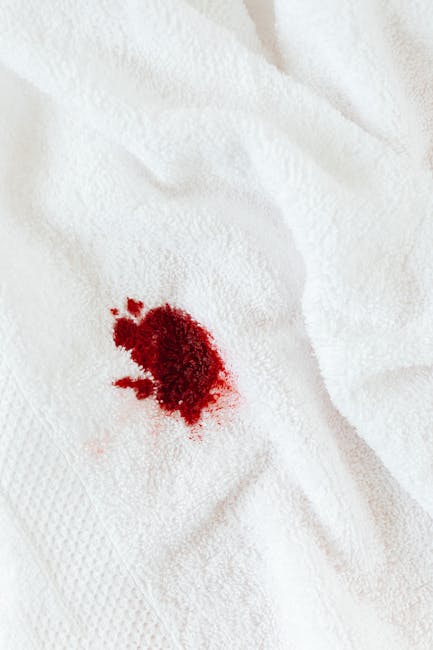
Emergency stain removal cleaning for Kensington spills
Spills never seem to happen at a convenient moment. One minute the room is calm, the next you are staring at a red wine splash on a cream carpet, a coffee ring on a sofa arm, or something far worse on a hallway runner. If you are looking for Emergency stain removal cleaning for Kensington spills, the good news is simple: fast action, the right technique, and a little restraint can make a huge difference.
This guide walks through what emergency stain removal actually involves, how professional cleaning works, what you can safely do in the first few minutes, and when it makes sense to step back and get help. It is written for real life, not for perfect showroom conditions. Because let's face it, most spills happen when someone is carrying too much, moving too fast, or both.
Whether the stain is on carpet, upholstery, a rug, curtains, or a mattress, the goal is the same: limit spread, protect fibres, and avoid turning a small accident into a permanent mark. If you need broader support beyond an emergency, the team's main stain removal service and carpet cleaning options are useful places to start.
Expert summary: The best emergency response is calm, quick, and minimal. Blot first, test carefully, avoid rubbing, and only apply a cleaning product if you are confident it is suitable for the fibre and the spill type.
Table of Contents
- Why Emergency stain removal cleaning for Kensington spills Matters
- How Emergency stain removal cleaning for Kensington spills Works
- Key Benefits and Practical Advantages
- Who This Is For and When It Makes Sense
- Step-by-Step Guidance
- Expert Tips for Better Results
- Common Mistakes to Avoid
- Tools, Resources and Recommendations
- Law, Compliance, Standards, or Best Practice
- Options, Methods, or Comparison Table
- Case Study or Real-World Example
- Practical Checklist
- Conclusion
- Frequently Asked Questions
Why Emergency stain removal cleaning for Kensington spills Matters
Spills are not just cosmetic. A fresh stain can spread into the backing of carpet, settle into the weave of a rug, or soak deeper into upholstery foam than you might expect. The visible mark is often only part of the problem. The bigger issue is what happens after the surface has dried.
In homes and businesses across Kensington, floors and furnishings often see a mix of everyday use and occasional high-value finishes: wool carpet, textured rugs, velvet sofas, linen curtains, and upholstered dining chairs. These materials can be beautiful, but they do not always forgive panic. A quick scrub with the wrong product can crush fibres, strip colour, or leave a ring that looks worse than the original spill. Bit annoying, really.
That is why emergency stain removal is about control. You are trying to stop the clock before a spill becomes a set-in stain. The first few minutes matter most, especially with liquids that contain colour, tannins, oils, sugar, or protein. Coffee, tea, wine, sauce, makeup, and pet accidents all behave differently, so a one-size-fits-all approach usually fails.
There is also a practical side. In a busy household, an untreated stain can affect the feel of the whole room. In a workplace, rental property, or hospitality setting, it can affect presentation and confidence straight away. If a spill has already damaged more than one surface, professional help from services like upholstery cleaning, rug cleaning, or sofa cleaning may be the more sensible route.
Another reason this matters is odour. A stain may be visible today and smell noticeable tomorrow. That is especially true for spills involving milk, food, or pets. For those situations, the focused pet stain and odour removal service can be particularly relevant, even if the original problem started as a small accident.
How Emergency stain removal cleaning for Kensington spills Works
Emergency stain removal works in stages. First comes assessment. Then absorption. Then targeted cleaning. Then drying and inspection. It sounds simple, but the order matters a lot.
The first thing a cleaner does is identify the surface and the stain type. A wool carpet behaves differently from synthetic carpet. A loop pile rug behaves differently from a cut pile rug. Delicate upholstery fabrics can react badly to excess moisture. Even the same stain can respond differently depending on how long it has been sitting there.
In practice, professional emergency stain removal usually begins with dry removal of loose material, followed by careful application of the least aggressive treatment that is likely to work. The aim is not to drown the area. It is to lift contamination while preserving the structure of the material underneath.
For carpets, specialist cleaning often includes controlled spot treatment followed by more comprehensive methods such as hot water extraction or steam carpet cleaning where appropriate. For furniture, the process is more delicate, because cushion fillings and seams can trap moisture. You do not want to over-wet a sofa and end up with a far larger problem than the original spill.
There is also an element of chemistry, but plain-English chemistry, not lab-coat drama. Different stains need different pH levels and different dwell times. Tea and wine are not treated in the same way as grease or ink. A skilled cleaner reads the stain and works backwards from there. It is a bit like problem-solving with a towel in one hand.
On a good day, the result is a stain that lifts cleanly and a surface that dries evenly. On a less straightforward day, the aim may be partial reduction followed by a deeper clean. That is still a win, because trying to force a perfect result in one rushed attempt can create permanent damage.
Key Benefits and Practical Advantages
The biggest benefit of emergency stain removal is obvious: you reduce the chance of a permanent mark. But there are several other advantages that are easy to miss when you are focused on the spill itself.
- Better fibre protection: Acting quickly helps protect carpet pile, rug fibres, and upholstery weave from abrasion and chemical damage.
- Less spreading: A prompt, controlled response stops liquid from travelling deeper into the material.
- Improved odour control: Quick extraction helps reduce lingering smells before they settle.
- Lower risk of rings and tide marks: Careful spot treatment reduces the chance of an ugly halo around the original spill.
- More predictable results: Fresh stains are usually easier to remove than old, dried, or heat-set stains.
- Better appearance for guests or customers: In a Kensington flat, office, or reception area, a clean-looking surface matters immediately.
There is also a comfort factor. Knowing what to do removes some of the stress from the moment. Instead of freezing, you have a plan. That alone is useful.
If the spill is on a larger area or has travelled through more than one material, combining emergency spot work with a deeper service such as curtain cleaning, mattress cleaning, or full carpet cleaning can deliver a much more complete finish.
Who This Is For and When It Makes Sense
Emergency stain removal is for anyone dealing with a fresh spill that could worsen quickly. That includes homeowners, renters, landlords, offices, shops, short-let hosts, restaurants, and anyone else managing fabric surfaces in day-to-day life.
It makes the most sense when the stain is fresh, the source is known, and the material is still salvageable. A knocked-over mug on a wool rug? Yes, act quickly. A splash of gravy on a fabric chair just before guests arrive? Definitely. A pet accident during the night? Also yes, especially if odour is becoming an issue.
It is less straightforward when the spill is old, when the fabric is delicate, or when the stain could be chemical in nature. Ink, bleach, paint, solvent-based products, or unknown residues should be treated with real caution. In those cases, trying too hard at home can make things worse.
If you manage a commercial space, response time matters even more. A stain in a client-facing area can affect first impressions within minutes. That is why businesses often need a cleaner who can provide fast, careful intervention alongside routine maintenance. The commercial carpet cleaning service is the logical companion when incidents happen in offices or shared premises.
And honestly, sometimes the decision is simple: if the item is expensive, sentimental, or awkwardly shaped, do not gamble on it. A little caution saves a lot of regret.
Step-by-Step Guidance
If a spill happens right now, here is the most sensible sequence. Keep it calm. Keep it tidy. Do not rush into scrubbing, no matter how tempting that feels in the moment.
- Stop the spread. If the spill is still wet, remove cups, plates, or anything else nearby so you are not creating a second problem.
- Blot, do not rub. Use a clean white cloth or paper towel to blot from the outside in. Rubbing pushes liquid deeper and can fray fibres.
- Lift solids carefully. If there is thick residue, pick it up gently with a spoon or blunt edge rather than grinding it in.
- Check the material. Look at whether the stain is on carpet, rug, upholstery, curtain fabric, or a mattress. Different surfaces need different handling.
- Test before treating. If you use any cleaning solution, test it somewhere hidden first. That is not optional on delicate items.
- Apply a small amount only. Use a little, then wait. More product does not equal better results.
- Blot again. Lift loosened stain and moisture with a clean cloth.
- Rinse lightly if appropriate. Some residues need a tiny amount of clean water to prevent sticky build-up. Again, go gently.
- Dry thoroughly. Air movement helps. A fan, open window, or dehumidifier can make a real difference if used safely.
- Assess the result. If the stain remains, changes colour, or starts to smell, stop and get specialist help before it sets.
For carpeted areas, emergency work can be followed by a deeper clean if needed. If the spill has affected the whole room or left patchy marks, the steam carpet cleaning approach may be the more effective longer-term option.
Simple rule: treat the stain like a guest you want to leave politely. No chasing. No wrestling. Just guide it out.
Expert Tips for Better Results
Here is where a few small decisions can save you a lot of trouble. In our experience, most disappointing stain results come from overconfidence, not from the stain itself.
- Use white cloths whenever possible. Coloured cloths can transfer dye, especially when damp.
- Work from the outside edge inward. This keeps the stain from growing.
- Do not soak the area. Excess moisture can spread contamination into the backing or padding.
- Patience beats pressure. Let a product dwell for a sensible amount of time instead of scrubbing aggressively.
- Ventilate carefully. Fresh air helps drying, but do not blast a fragile item with heat.
- Keep a note of what spilled. It sounds silly, but that information helps a cleaner choose the right treatment later.
- Act differently for oily stains. Grease and oil need a different approach from tea or wine, so avoid a generic fix.
A useful habit in Kensington homes and offices is to keep a small spill kit somewhere easy to reach. Nothing fancy. Just a few cloths, gloves, and a neutral cleaning option that you already trust. It can make those first few minutes much less frantic.
If a stain is on a sofa cushion, turn the cushion only if the care label allows it. If not, leave it in place and blot from the visible side. Fabric labels are there for a reason, even if they are annoyingly tiny.
Common Mistakes to Avoid
The list of things not to do is honestly as important as the right steps. A rushed reaction can lock a stain in place faster than the spill itself.
- Rubbing the stain hard. This is the classic error. It spreads the mark and damages the pile.
- Using too much water. Wetting the area heavily can push the spill deeper.
- Mixing random household products. Some combinations can damage fibres or leave residues that attract dirt.
- Applying bleach to coloured fabric. This often causes permanent lightening or texture damage.
- Using heat too early. Warm air can set some stains, especially protein-based spills.
- Ignoring the underside. If liquid has seeped through, the backing or cushion filling may also need attention.
- Waiting until the next day. Fresh stains are far easier to manage than dried ones.
One of the sneakiest mistakes is declaring victory too soon. The surface might look okay for an hour, then a ring appears as it dries. That is the moment people usually sigh, stare at the floor, and say something unprintable.
When the material is delicate or the spill is uncertain, professional help is safer than improvising. Trust your judgement. If something feels off, it probably is.
Tools, Resources and Recommendations
You do not need a professional van full of equipment to respond well to a spill, but a few simple tools help a lot.
| Tool | Why it helps | Best use |
|---|---|---|
| White absorbent cloths | They blot without adding dye | First response for carpets, sofas, and rugs |
| Paper towels | Useful for quick absorption | Fresh liquid spills |
| Spoon or blunt scraper | Lifts solids gently | Thick food spills, residue, or mud |
| Gloves | Protects hands from residue and odour | Pet accidents and unknown stains |
| Soft brush | Helps work product into the fibre lightly | Controlled treatment on suitable carpets |
| Fan or dehumidifier | Improves drying | After spot cleaning, where safe |
For more involved jobs, specialist equipment matters. Proper extraction tools remove moisture more effectively than household wiping. That is one reason the results of professional stain removal are often more consistent, especially on larger carpeted areas or on upholstery where moisture control is critical.
If you are weighing up whether a spill needs a simple response or a more thorough clean, think about the item's value, the fibre type, and how long the stain has already had to settle. That little decision tree is surprisingly helpful.
For people comparing services, checking the firm's pricing and quotes page can help set expectations, while the insurance and safety information provides reassurance on how work is handled in the home or workplace.
Law, Compliance, Standards, or Best Practice
Emergency stain removal is usually a practical cleaning issue rather than a legal one, but best practice still matters. In the UK, responsible cleaners and clients are expected to handle products safely, follow label instructions, and avoid unnecessary risk to people, property, and the environment.
For householders, the sensible approach is to use cleaning products exactly as directed, ventilate spaces where needed, and keep chemicals away from children and pets. For businesses, there is often a stronger duty to manage safety carefully, keep customers and staff out of hazardous areas, and maintain a clean, low-risk environment.
Many professional cleaners also work within internal procedures covering equipment care, product handling, waste disposal, and customer communication. Those policies matter because stain removal is not just about appearance. It is also about doing the job safely and consistently.
There are also basic consumer expectations around clarity and trust. If you are asking for emergency help, you should know what is being done, what the likely outcome is, and whether the process could affect the item. Good providers are careful about promises. They do not guarantee miracles on every stain, because that would be silly.
If you value transparency, it is worth reviewing a company's terms and conditions and privacy policy, especially when you are booking services quickly and sharing property access details.
Options, Methods, or Comparison Table
There is more than one way to tackle a spill, and choosing the right method depends on the surface, the stain, and how urgent the situation is. A quick comparison helps.
| Method | Best for | Strengths | Limitations |
|---|---|---|---|
| Blotting and light spot treatment | Fresh, small spills | Fast, low-risk, minimal moisture | May not remove deep or old stains |
| Targeted professional stain removal | Visible marks on carpets, rugs, upholstery | More precise, fibre-aware, better for tricky stains | May need more than one visit for difficult stains |
| Steam or hot water extraction | Carpets with widespread marking or residue | Deep cleaning, strong overall refresh | Not ideal for every delicate fabric |
| Specialist pet treatment | Urine, odour, repeated accidents | Targets smell and contamination | Can require follow-up drying and inspection |
For a one-off wine spill on a robust carpet, blotting and a careful spot treatment may be enough. For a soaked chair arm, a pet incident, or a stain that has already dried, a more specialised method is usually wiser. If the stain has spread through multiple surfaces, a combined approach can save time in the long run.
Sometimes the right answer is not "which method is best?" but "which method is safest for this item?" That question tends to keep people out of trouble.
Case Study or Real-World Example
Picture a weekday evening in Kensington. A guest drops a full cup of coffee onto a light-coloured lounge carpet just as everyone is taking coats off. The stain is fresh, the room is warm, and there is that sharp coffee smell in the air. People stand there for a second. Nobody wants to be the one who makes it worse.
The first response is simple: remove the cup, blot the spill with clean white cloths, and stop the liquid from spreading. The area is kept small, and no rubbing is used. Because the carpet is a wool blend, the owner avoids a strong household cleaner and instead uses only a light, carefully tested treatment. The stain improves, but a faint shadow remains after drying.
At that point, the sensible move is to bring in professional support. A proper stain assessment, targeted treatment, and finishing clean can often reduce the mark further and even out the appearance. If the carpet is part of a broader room refresh, combining the emergency response with carpet cleaning is usually more efficient than treating each symptom separately.
The important bit is not that everything becomes magically perfect on the spot. It is that the spill does not become a permanent, obvious scar on the floor. That is the real win.
Practical Checklist
Use this checklist the next time a spill happens. It keeps things simple when your brain is doing something less organised.
- Identify what spilled as quickly as possible.
- Check whether the surface is carpet, rug, upholstery, curtain fabric, or mattress.
- Blot gently with a clean white cloth.
- Lift solids without rubbing.
- Avoid soaking the area.
- Test any cleaning product on an unseen spot first.
- Do not mix products.
- Allow safe drying with air movement.
- Watch for rings, odours, or colour change after drying.
- Get professional help if the stain is old, delicate, or spreading.
Short takeaway: the best emergency stain removal is calm, targeted, and selective. Less fuss, better result.
Conclusion
Emergency stain removal cleaning for Kensington spills is really about protecting what you already own. The faster and more carefully you respond, the more likely you are to preserve the look, feel, and value of the item. A good response does not need to be dramatic. It just needs to be sensible.
Start with blotting, avoid rubbing, keep moisture controlled, and judge the situation honestly. If the stain is on a delicate fibre, has seeped deep into padding, or is likely to cause odour or discolouration, bring in specialist help rather than pushing your luck. That approach saves time, stress, and usually money as well. Not always, but often enough.
For trusted follow-up support, you can also explore the team's about us page to understand their approach to service, and check the contact us page if you need to talk through a spill before booking. A little guidance at the right moment can make a messy day feel manageable again.
Get a free quote today and see how much you can save.
Frequently Asked Questions
What should I do first after a spill on carpet?
Blot the spill gently with a clean white cloth, working from the outside inward. Do not rub, because rubbing spreads the stain and pushes it deeper into the fibres.
Can I use normal household cleaner on upholstery?
Sometimes, but not always. Upholstery fabrics vary a lot, and the wrong cleaner can leave marks, cause shrinkage, or affect colour. Test first on an unseen spot, or use a specialist if you are unsure.
How quickly should emergency stain removal happen?
As quickly as possible. Fresh spills are much easier to manage than dried or heat-set stains. Even a short delay can let liquid sink further into the backing or filling.
Are wine stains harder to remove than coffee stains?
They can be. Both are common problem stains, but wine contains strong colour and tannins, while coffee can leave a darker shadow and odour. The surface and fabric type matter just as much as the liquid itself.
What if the spill is already dry?
Dry stains are harder, but not necessarily hopeless. They often need a more careful spot treatment or a full professional clean rather than a quick home response.
Will steam cleaning remove every stain?
No method removes every stain in every situation. Steam carpet cleaning is effective for many carpets, but some stains react poorly to heat or need a different treatment first.
Is blotting really better than scrubbing?
Yes. Blotting lifts liquid out of the fabric. Scrubbing pushes the stain around and can damage the pile, especially on carpets and delicate upholstery.
What if the spill smells after cleaning?
That can mean residue has remained in the fibres or backing. Odour after a spill is a strong sign that deeper treatment may be needed, especially with food, milk, or pet accidents.
Should I treat rugs the same way as carpets?
Not always. Rugs may have different dyes, backings, and construction. Some are far more delicate than wall-to-wall carpet, so a gentler approach is often safer.
When is professional stain removal worth it?
It is usually worth it when the item is valuable, the stain is large, the fabric is delicate, or the spill has already started to settle. It is also sensible when odour or hidden moisture could become a problem.
Can a mattress spill be cleaned at home?
Small surface spills can sometimes be blotted carefully, but mattresses are tricky because moisture can travel inward. If the spill is more than minor, specialist mattress cleaning is often the safer choice.
How do I know if a stain has set permanently?
If repeated careful treatment does not improve it, if the colour changes after drying, or if the fibre itself looks damaged, the stain may be set. A professional assessment is the best next step.