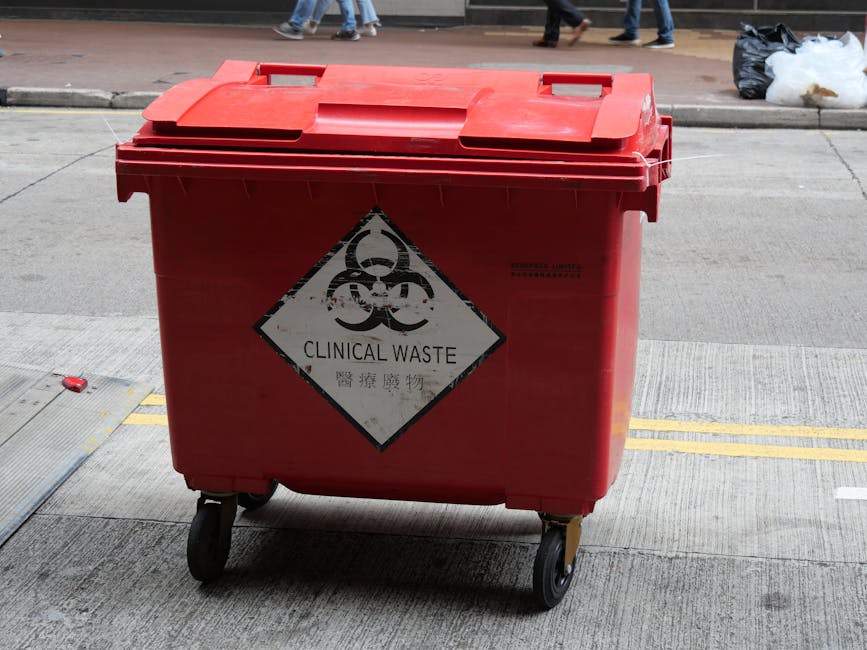
Fines and compliance for waste removal after Kensington cleaning jobs
After a thorough clean, the job is not quite finished until the waste is handled properly. That includes dirty water, disposable cloths, packaging, worn pads, extracted debris, and any items removed during the clean itself. Fines and compliance for waste removal after Kensington cleaning jobs matter because even a small mistake can create avoidable penalties, complaints, or messy follow-up work. In Kensington, where access is tight and properties often sit close together, the basics of disposal become even more important. One skipped step can turn a tidy job into a compliance headache. Not ideal, as you can imagine.
This guide explains what compliance usually means in practice, how waste removal risk is managed, what can trigger fines, and how to stay on the right side of expected UK standards. It also covers the little operational details that get overlooked in a rush: segregation, duty of care, transport arrangements, record keeping, and the simple habits that keep everything clean, lawful, and professional.
Why Fines and compliance for waste removal after Kensington cleaning jobs Matters
Waste from cleaning work looks harmless at first glance, but compliance issues often start with the small stuff. A bag of contaminated cloths left in the wrong bin, wastewater tipped where it should not be, or packaging mixed into a stream it does not belong to can all create problems. In a residential street, those problems become visible quickly. In a commercial building, they can also become contractual ones.
Compliance matters for three reasons. First, there is the legal side: businesses and contractors have duties around handling, storing, and transferring waste responsibly. Second, there is reputation. If a client sees rubbish piled awkwardly in a shared hallway at 7:30 on a wet Tuesday morning, they do not think "efficient logistics." They think "sloppy." Third, there is cost. Fines, re-collection charges, missed access windows, and avoidable repeat visits all chip away at margins.
For cleaning businesses, especially those working in and around Kensington flats, managed offices, hotels, and high-end homes, waste handling is part of service quality. It is not an afterthought. Truth be told, it is one of those background processes that people only notice when it goes wrong.
Expert summary: good waste compliance is less about bureaucracy and more about control. If your team knows what waste was created, where it goes, and who is responsible for it, most of the avoidable risk disappears.
How Fines and compliance for waste removal after Kensington cleaning jobs Works
In practical terms, waste compliance starts before the first cloth is wrung out. The team should already know what type of waste may be produced, how it will be contained, and whether it can be removed by the cleaner, left for the client, or taken by a licensed waste carrier. That decision depends on the type of job.
For example, a routine domestic carpet clean may create a small amount of packaging and disposable materials, while a large commercial carpet clean can produce several bags of waste, heavy waste water, and used protective items. Upholstery cleaning and steam carpet cleaning can generate damp residue, filters, and contaminated cloths. Pet-related work may also involve stronger odour-management waste and more intensive disposal requirements, especially where hygiene is a concern.
The compliance process usually includes these stages:
- Identify the waste type before disposal.
- Separate recyclable, general, and contaminated waste.
- Store waste securely so it does not leak, blow away, or create a nuisance.
- Use appropriate collection or removal arrangements.
- Keep any records needed to show responsible handling.
Where fines come into the picture is usually at the point of failure. Waste left in the wrong place, carried without the right arrangements, or transferred carelessly can lead to enforcement action. Sometimes that action is against the property occupier, sometimes the contractor, and sometimes both. The exact outcome depends on what happened and who had control of the waste at the time.
Key Benefits and Practical Advantages
Good compliance sounds like paperwork, but the benefits are much more tangible. You notice them in smoother jobs, fewer disputes, and a calmer end-of-day handover. Here are the main advantages.
- Lower enforcement risk: careful segregation and disposal reduce the chance of complaints or fines.
- Cleaner sites: fewer stray materials, less mess in shared areas, and better first impressions.
- Better client trust: people feel safer when they can see the team managing waste properly.
- Fewer delays: a planned waste routine helps jobs finish on time.
- Reduced contamination: clean waste stays clean, and recyclable material does not get ruined unnecessarily.
- Stronger commercial credibility: important for offices, managed blocks, and hospitality work.
There is also a quieter benefit: compliance helps staff work with less stress. No one likes hauling questionable rubbish through a building lobby while trying to avoid the lift dinging open on a resident in slippers. A clear waste procedure removes a lot of that awkwardness.
Who This Is For and When It Makes Sense
This topic is relevant to anyone producing waste after cleaning work in Kensington, but some groups feel the pressure more than others.
Cleaning contractors need a reliable method for separating waste, protecting vehicles, and handling collection responsibilities. If you run domestic or commercial teams, this is part of your service standard, not a side task.
Property managers and landlords need to know who is responsible for disposal after a deep clean, move-out clean, or tenancy turnover. If the chain of responsibility is fuzzy, waste tends to sit around longer than it should.
Businesses and offices often need documentation and predictable collection windows. They may also have internal sustainability rules that go beyond the minimum legal requirement.
Homeowners and tenants may only deal with waste removal occasionally, but that does not make it less important. A big clean before guests, after a renovation, or following a pet accident can produce more waste than expected.
It also makes sense for anyone comparing cleaning providers. A company that can explain its waste procedures clearly usually has its operational house in order. That is a good sign. Simple as that.
Step-by-Step Guidance
If you want a practical framework, use this sequence. It is not glamorous, but it works.
1. Identify the waste before the job starts
Ask what the likely waste streams will be. For a sofa clean, this might be disposable covers, paper towels, and small packaging. For upholstery cleaning, it may include larger volumes of contaminated cloths or protective materials. For commercial work, expect more volume and stricter expectations.
2. Separate waste at the point of generation
Do not wait until the end and hope it sorts itself out. Mixed waste is harder to manage and more likely to cause problems. Keep recyclable items apart where practical, and isolate any contaminated materials that should not be put back into clean waste streams.
3. Contain it properly
Use bags, bins, or lidded containers that suit the job size. Waste should not leak, smell, or create a slip hazard. If the waste is damp, double-bagging may be sensible. If it is heavy, overfilling is a bad idea. You know the feeling when a bag gives way halfway up the stairs. Nobody needs that again.
4. Move it without causing nuisance
In shared buildings, use the quietest and cleanest route available. Avoid dragging open bags through common spaces. On busy streets, keep loading times short and tidy. A little care here goes a long way.
5. Use approved disposal or transfer arrangements
Some waste can be removed with general housekeeping waste; some may need special handling or licensed removal depending on what it is and how much there is. If you are unsure, pause and check rather than guessing. Guessing is expensive. Also, annoying.
6. Record what was removed
For professional work, note the date, site, waste type, and collection method. Even a simple job sheet can help show that the waste was handled responsibly if anyone later asks.
7. Review the process after each job
Ask what went smoothly and where waste handling got awkward. The best teams adjust fast. The difference between an average process and a good one is often a five-minute conversation in the van afterwards.
Expert Tips for Better Results
A few small habits can make waste compliance much easier in real life.
- Pack waste materials before you need them: carry the right bags, liners, and ties so you are not improvising on site.
- Build waste time into the job estimate: disposal is part of the work, not a bonus chore.
- Keep wet waste separate: dry paper and recyclable packaging should not end up soaked by extraction residue.
- Brief the team on site access: especially in Kensington, where narrow corridors, stairwells, and lifts can slow things down.
- Check building rules first: some managed properties have strict rules about where waste may be staged or collected.
- Link sustainability to compliance: using recycling and sustainability practices makes the process easier to defend and easier to explain to clients.
One more thing: if a job creates more waste than expected, do not force the last bag to "just fit." That is how spills happen. The correct solution is usually a second container, not optimism.
Common Mistakes to Avoid
Most waste compliance problems are boringly predictable. That is the good news, because predictable problems are easier to prevent.
- Mixing waste streams: recyclable, contaminated, and general waste all in one bag becomes messy quickly.
- Leaving waste in communal areas: even temporarily, this can lead to complaints or site issues.
- Underestimating liquid waste: extracted water, rinse residue, and damp materials need care.
- No record keeping: if a dispute arises, memory alone is a weak defence.
- Assuming the client will handle everything: responsibilities should be agreed in advance, not figured out at the kerb.
- Ignoring vehicle cleanliness: a dirty van can spread contamination and make inspection harder to withstand.
- Failing to train staff: new team members often need very simple, very clear disposal instructions.
For commercial sites, these mistakes can become contract issues as well as waste issues. If you are cleaning an office suite or shared premises, you may want to align the disposal plan with the building's own commercial carpet cleaning expectations and handover requirements.
Tools, Resources and Recommendations
You do not need complicated systems to stay compliant. In many cases, a tidy setup and consistent habits are enough.
| Tool or resource | What it helps with | Best use case |
|---|---|---|
| Heavy-duty waste bags | Safe containment of dirty cloths, packaging, and contaminated items | Most cleaning jobs, especially damp work |
| Colour-coded containers | Separating recycling from general waste | Multi-room or commercial jobs |
| Job sheets or digital notes | Basic record keeping and handover clarity | Any professional service visit |
| Protective covers or liners | Prevents leaks during staging and transport | Wet extraction and upholstery work |
| Client pre-check questionnaire | Clarifies site rules and waste expectations | Managed buildings, offices, landlords |
For operational planning, it also helps to review a provider's public policies. A clear health and safety policy can show how risks are handled on site, while insurance and safety information helps you understand how incidents and liability are approached. Those pages are not about waste alone, but they often tell you a lot about a company's standards.
Law, Compliance, Standards, or Best Practice
Waste removal after cleaning jobs is usually shaped by UK waste-handling duties, local site rules, and practical industry norms. The important thing is not to rely on vague assumptions. What looks like "just rubbish" may still fall within obligations around storage, transfer, and responsible disposal. In commercial settings, the duty of care concept is especially relevant: the person handling the waste should be able to show that it was managed properly from start to finish.
Best practice normally includes:
- keeping waste separate where feasible
- preventing escape, spillage, or nuisance
- using appropriate collection methods
- avoiding unsafe manual handling
- making responsibilities clear between cleaner, occupier, and managing agent
If a site has its own rules, those rules matter too. Shared blocks in Kensington may be strict about corridor use, bin store access, or collection times. A professional team should adapt. There is no medal for stubbornness here.
For private clients, the cleanest approach is to confirm in advance whether waste is included in the service, left neatly bagged, or removed by separate arrangement. This can be clarified through the company's terms and conditions and pricing information. It saves awkward conversations later, which is always a good thing.
Options, Methods, or Comparison Table
There is more than one way to handle post-cleaning waste. The right choice depends on the job size, site rules, and who is responsible for final disposal.
| Method | Pros | Cons | Best for |
|---|---|---|---|
| Client-managed disposal | Simple, low administration for the cleaner | Less control over final handling | Small domestic jobs with minimal waste |
| Cleaner-bagged, client-removed | Neat handover, clear visual standard | Requires clear communication and timing | Homes, serviced apartments, light cleans |
| Cleaner-arranged removal | Best control and accountability | More admin, possible extra cost | Large jobs, commercial sites, complex waste |
| Mixed-site disposal | Flexible in buildings with shared facilities | Easy to get wrong without a plan | Managed blocks and multi-tenant premises |
For many clients, cleaner-arranged removal is the least stressful option, but not always the most economical. A sensible provider will explain the trade-off rather than forcing one model onto every job. That sort of honesty tends to age well.
Case Study or Real-World Example
Picture a late-afternoon clean in a Kensington flat after a deep refresh of carpets, a rug, and a fabric sofa. The job creates a mix of damp cloths, vacuum debris, packaging, and a small amount of wastewater. The building has a shared hallway and strict rules about leaving items in common areas.
In this situation, the cleaner bags the waste as it is generated, keeps wet materials separate, and stages everything by the exit only when ready to leave. The team checks the bin store rules before moving anything outside. Waste is taken away in sealed containers, and the job sheet notes what left the property and how it was handled. No drama, no corridor mess, no complaints from neighbours.
Now compare that to the less careful version: one overfilled bag, a damp patch on the landing, and a collection left beside the wrong bin. It may only take a few minutes to happen, but that is exactly how fines, objections, and phone calls begin. The difference is mostly process. Not magic. Process.
Practical Checklist
Use this checklist before you close out a cleaning job.
- Have we identified every waste stream created on site?
- Are general waste and recyclable materials separated where practical?
- Are any damp or contaminated materials contained safely?
- Is waste stored away from customer walkways and shared areas?
- Do we know who is responsible for final collection or disposal?
- Have we followed the building's access and bin rules?
- Have we kept a simple record of what was removed?
- Are bags secure, not overfilled, and easy to carry?
- Has the client been told what was left, removed, or requires follow-up?
- Have we reviewed any site-specific issues for next time?
If most of those answers are yes, you are in good shape. If several are no, pause and tidy it up before walking away. That five-minute reset can save a lot of hassle.
Get a free quote today and see how much you can save.
Conclusion
Fines and compliance for waste removal after Kensington cleaning jobs are really about professionalism under pressure. The cleaner the property, the easier it is to forget the mess that was created along the way. But the waste trail matters just as much as the finished result. Handle it well and the job feels complete. Handle it badly and even a beautiful clean can end with avoidable friction.
The good news is that compliance does not need to be complicated. Clear roles, proper containment, sensible separation, and a bit of record keeping go a long way. Add site awareness, especially in a busy London area like Kensington, and you have most of the risk under control. That is the kind of steady, unglamorous discipline that clients may not always notice. But they feel it. And to be fair, that is usually enough.
If you are comparing providers, look for signs that waste handling is treated as part of the service, not a side note. It is one of the simplest ways to tell whether a company runs a tight, trustworthy operation.
Frequently Asked Questions
What counts as waste after a cleaning job?
It can include disposable cloths, paper wipes, gloves, packaging, vacuum debris, filters, extracted residue, and any contaminated materials removed during the clean. The exact mix depends on the service.
Can cleaning waste lead to fines in Kensington?
Yes, if it is handled improperly. Problems usually arise when waste is dumped, left in the wrong place, mixed carelessly, or transported without suitable arrangements. The exact enforcement route depends on the circumstances.
Who is responsible for waste removal after a cleaning job?
That depends on the service agreement. Sometimes the cleaner removes it, sometimes the client does, and sometimes a separate collection arrangement is used. Clear terms avoid confusion.
Do I need to separate recyclable waste from general waste?
Where practical, yes. Separation helps reduce contamination and supports better compliance. In commercial settings, it is often expected as part of normal good practice.
What should happen to wet waste from steam cleaning?
Wet waste should be contained safely so it does not leak, smell, or cause a slip hazard. In some cases, it may need double-bagging or a lined container before collection.
Is a cleaner allowed to leave rubbish in a communal hallway?
Only if the property rules allow it and it is done safely, briefly, and without nuisance. In many buildings, it is better to avoid leaving waste in shared areas at all.
How can I tell if a cleaning company is serious about compliance?
They should be able to explain their waste process clearly, show sensible policies, and describe how they handle health and safety, insurance, and responsible disposal.
Does commercial cleaning need more documentation than home cleaning?
Usually yes. Commercial sites often need clearer handover notes, stricter access planning, and better record keeping because there are more stakeholders involved.
What is the biggest mistake people make with post-cleaning waste?
Mixing everything together and hoping for the best. That approach is easy in the moment, but it creates the most problems later.
Should waste handling be included in the quote?
Ideally it should be explained clearly in the quote or service terms. If removal is included, say so. If it is extra, that should be visible before the job starts.
What if I am not sure whether a waste item needs special handling?
Do not guess. Pause, assess the item, and choose the safer option. When in doubt, treat it cautiously and keep it separate until you have clarity.
Can sustainability and compliance work together?
Absolutely. Recycling, re-use where appropriate, and careful segregation often support both better environmental outcomes and cleaner compliance. They are not separate goals; they reinforce each other.
Where can I check a provider's policies before booking?
You can review public company information such as the about us page, pricing and quotes, and operational pages like the health and safety policy to get a clearer sense of how seriously they treat process and responsibility.