Kensington and Chelsea Council rules for cleaning waste: a practical guide for homes, landlords, and cleaners
If you live, work, or clean properties in west London, waste can become a lot more complicated than people expect. The basic question sounds simple enough: what are the Kensington and Chelsea Council rules for cleaning waste? But once you add dirty water, bagged debris, old textiles, worn carpets, chemical containers, dust, and bulky items, the answer gets more nuanced. And yes, that matters. A lot.
Whether you are dealing with post-cleaning waste from a one-off deep clean, a regular domestic tidy-up, or a commercial job after refurbishment, the council expects waste to be handled safely, neatly, and in the right place. This guide breaks down what that usually means in plain English, how to stay on the right side of local expectations, and how to avoid the awkward little mistakes that lead to mess, complaints, or unnecessary extra cost.
For readers who want to understand the wider service context too, it can help to review a company's approach to recycling and sustainability and its published health and safety policy. Those pages won't replace council guidance, of course, but they do show the sort of standards a professional provider should be thinking about.
In short: if you are cleaning in Kensington and Chelsea, waste control is not a side issue. It is part of the job.
- It protects residents, staff, and neighbours.
- It helps avoid blocked bins, spillages, and fly-tipping.
- It supports recycling where possible.
- It reduces the chance of complaints or penalties.
Table of Contents
- Why Kensington and Chelsea Council rules for cleaning waste matters
- How the rules work in practice
- Key benefits and practical advantages
- Who this is for and when it makes sense
- Step-by-step guidance
- Expert tips for better results
- Common mistakes to avoid
- Tools, resources and recommendations
- Law, compliance, standards, and best practice
- Options, methods, or comparison table
- Case study or real-world example
- Practical checklist
- Conclusion
- Frequently Asked Questions
Why Kensington and Chelsea Council rules for cleaning waste Matters
Cleaning waste seems harmless until it is sitting in the wrong bin, leaking from a bag, or left in a communal hallway where someone has to step around it. In Kensington and Chelsea, where many homes sit close together and shared spaces are common, even a small waste-handling mistake can become a neighbourhood issue fast.
The council's expectations around cleaning waste are important for three main reasons. First, they protect public health and keep pavements, bin stores, and residential entrances safe. Second, they help the borough keep waste streams clean enough for recycling and proper collection. Third, they make sure waste does not end up dumped, left out too early, or mixed in a way that causes operational problems for collection crews.
To be fair, most people do not wake up thinking about waste streams before breakfast. But if you have ever seen a black bag split on the way to a bin store, or found a pile of wet floor towels left in a hallway after a job, you will know why the rules exist. The nuisance is immediate. The smell follows. Then the complaints start.
For domestic cleaners, landlords, letting agents, and contractors, the stakes are slightly different but the principle is the same: waste must be contained, separated where practical, and presented in a way that does not create hazard or mess. That is especially true where the waste is not just dust and packaging, but water contaminated with grime, pet residue, or cleaning solution.
Practical takeaway: the cleaner the job looks at the end, the less likely you are to create a waste problem after the job is finished. Sounds obvious, but you would be surprised how often that last 5% gets ignored.
How Kensington and Chelsea Council rules for cleaning waste Works
There is not one single "cleaning waste" rule that covers every situation. In practice, the rules are a mix of household waste handling, recycling expectations, contamination control, safe storage, and common-sense presentation for collection.
Here is how it usually works on the ground.
1. Separate waste types where possible
Not all cleaning waste is the same. General rubbish, recyclable packaging, old textiles, and bulky items should not be mixed together if they can be separated. A half-full bag of general rubbish stuffed in with cardboard and bottles makes recycling harder and waste management less efficient. Simple, but often overlooked.
2. Keep waste contained
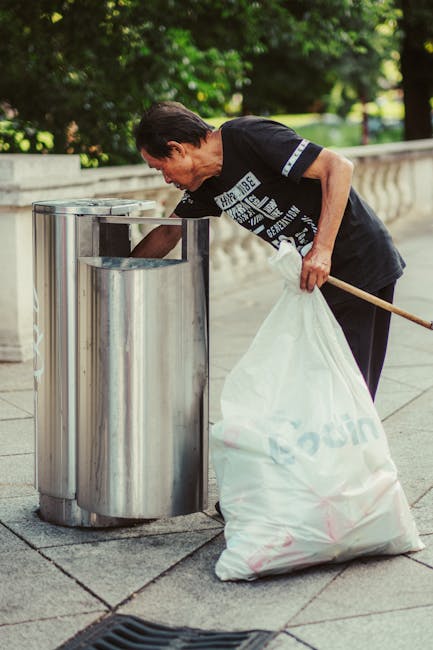
Bags should be tied or sealed. Wet waste should be drained or wrapped to reduce leaks. Loose debris should be swept up before disposal. If a cleaner uses vacuum bags, cloths, mop heads, or disposable covers, these should be bagged neatly, not left in piles or tipped into shared bins without thought.
3. Be careful with contaminated materials
Anything soaked with body fluids, pet mess, mould, harsh chemicals, or other contamination may need extra caution. This is especially true in properties with children, elderly residents, allergies, or vulnerable occupants. If something is potentially hazardous, the safe option is to treat it cautiously rather than guess.
4. Use the correct collection point
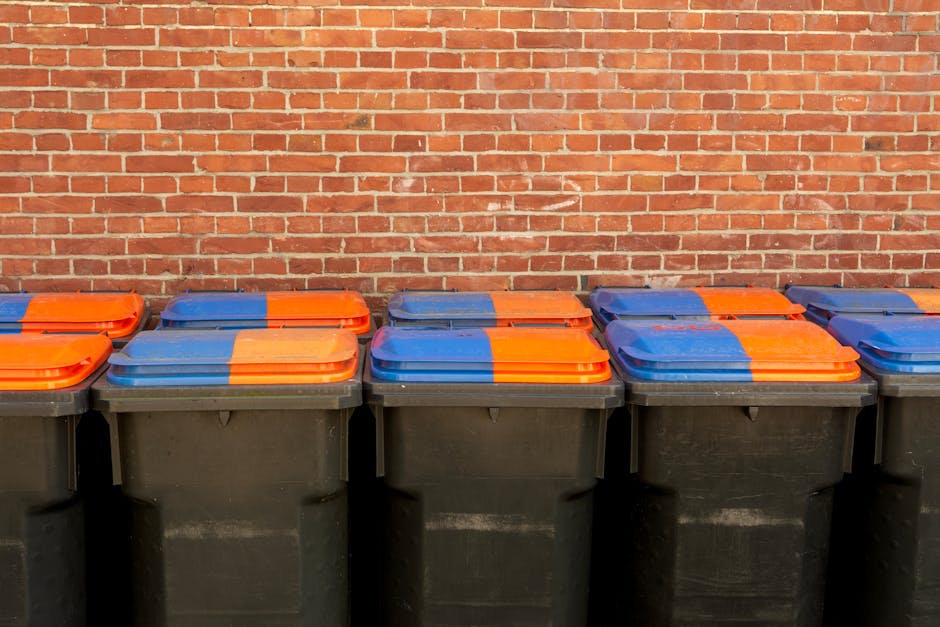
Most residents in the borough rely on designated bins, communal bin stores, or scheduled collections. Waste should go where the building rules allow, and at the times allowed. Leaving items in the wrong place, or too early, can create blocked access and attract enforcement attention.
5. Do not overfill bins or bin stores
Overfilled bins are not just messy. They are a magnet for spillage, vermin, and complaints. If a cleaning job produces more waste than the bin can safely handle, it may need to be taken away separately or arranged through an appropriate collection route.
Professional cleaners should also think about what happens before and after the job. Good pre-planning reduces waste on site. Good post-job checks make sure nothing slips through the cracks. That is where service standards matter, and why a clear provider page such as terms and conditions can be useful for setting expectations around access, waste handling, and any special conditions.
Key Benefits and Practical Advantages
Following the council's waste expectations is not just about avoiding problems. It gives you a cleaner, calmer, more efficient workflow. And honestly, once you get the rhythm right, it saves time.
- Less mess at the end of a clean. Proper waste separation means fewer return trips and less time re-bagging.
- Lower risk of complaints. Neighbours and residents notice if bags are left in hallways or bins are overflowing.
- Better recycling outcomes. Cardboard, packaging, and clean recyclables are easier to recover when they are not contaminated.
- Improved safety. Fewer leaks, less trip risk, and fewer sharp edges or broken items left exposed.
- More professional presentation. A tidy finish tells clients you understand the full job, not just the visible part.
There is also a commercial advantage that people sometimes miss. Waste discipline is a sign of operational maturity. If a cleaner is careful about waste, they are usually careful about access, protection, and aftercare too. That builds trust. It may not be glamorous, but it matters.
For commercial premises, this can be even more important. A small office, shop, or communal building might have strict rules about when waste can be moved, where it can be stored, and what can go into shared bins. In those settings, it helps to keep waste management aligned with the service itself, especially for jobs like commercial carpet cleaning where larger volumes of debris, packaging, or extracted waste may be involved.
Who This Is For and When It Makes Sense
This topic matters to more people than you might expect. If you live in Kensington and Chelsea, you may only think about waste rules when the bin day is looming. But if you work in property, facilities, cleaning, or maintenance, it becomes part of daily practice.
- Homeowners and tenants who are clearing out after a deep clean, DIY refresh, or spring tidy-up.
- Landlords and letting agents who need a property left clean, compliant, and ready for the next occupant.
- Cleaning professionals who generate waste from cloths, packaging, filters, and residue.
- Commercial occupiers who must manage waste without disrupting staff or customers.
- Block managers and concierge teams responsible for communal bins and shared access areas.
When does it make the most sense to pay close attention? After a heavy clean, after pest or odour issues, after a tenancy change, and after any job involving lots of absorbent materials. A rug clean, for example, can produce damp pads, packaging, and extracted dirt that should be handled properly. The same logic applies to rug cleaning, sofa cleaning, and upholstery cleaning, where materials and residues can pile up faster than you expect.
One small but real-world example: a flat clean that seems minor can still produce three bags of waste once you count packaging, wipes, mask covers, mop heads, and a few damaged household items. Tiny amounts, individually. Together, not so tiny.
Step-by-Step Guidance
If you want a practical way to stay aligned with local expectations, use this simple workflow. It is not fancy. It just works.
- Identify the waste before you start. Look at what the clean will generate: dust, packaging, disposable pads, old textiles, liquid waste, or bulky items.
- Sort as you go. Keep general rubbish, recyclable packaging, and reusable materials apart where possible.
- Bag waste securely. Tie bags closed and avoid overfilling them. If a bag feels like it might split, use two.
- Drain or contain wet waste. Never leave soaked cloths or dripping materials in open bins. If liquid is present, stop and contain it properly.
- Check shared access areas. Hallways, lifts, bin rooms, and pavements should be left clear and clean.
- Use the correct storage point. Place waste only where the building rules and council arrangements allow.
- Do a final sweep. Look for stray wipes, labels, packaging straps, and bits of grit around the work area.
- Document anything unusual. If a client asks for disposal of bulky or special waste, note what was removed and how.
That last step sounds bureaucratic, but it helps. If there is ever a disagreement about what was left behind or what was taken away, a simple note can save a long conversation later. Nobody enjoys that conversation, truth be told.
When cleaners are working with stain-heavy or odour-heavy jobs, the waste side gets trickier. For example, pet-related contamination often needs careful containment, sealing, and disposal planning. That is where a focused service like pet stain odour removal can be especially useful because it reduces the chance of lingering residue and repeated waste handling.
Expert Tips for Better Results
After enough jobs, a few habits stand out. They are not complicated, but they make a difference.
Use a "clean exit" rule
Before you leave any property, ask one question: if a neighbour walked past this now, would they think the space had been cared for? That one question catches a surprising number of issues.
Keep a separate bag for sharp or awkward items
Broken clips, rigid plastic, snapped hangers, and small sharp debris should never rattle loose inside a soft bin liner. One puncture and the whole bag becomes a problem.
Do not mix recyclables with damp waste
Wet cardboard, paper towels, and soaked packaging often cannot be recycled once contaminated. If the waste is damp, treat it as general rubbish unless you are certain it can be separated cleanly.
Watch the time of day
In tight residential streets, early mornings and evenings can be sensitive. Bags left out at the wrong time may block access or be torn open before collection. Midday is usually less fraught, although every building has its own rhythm.
Use protective liners for wet jobs
For steam and extraction work, a simple waterproof liner or secondary bag can stop leaks from turning a tidy job into a slippery one. This is especially useful for steam carpet cleaning, where moisture is part of the process and waste management needs a bit more thought.
Keep the client in the loop
If a job is likely to create extra waste, tell the client early. It avoids surprises. People are usually fine with a practical explanation; they just do not like being blindsided by extra bags in the hallway.
Common Mistakes to Avoid
Most waste problems are not dramatic. They come from small, repeatable mistakes. The good news? That means they are easy to fix once you notice them.
- Leaving waste in open bags. This is one of the quickest ways to create odour, spills, and complaints.
- Overfilling bin liners. Bags split. It happens at the worst moment, naturally.
- Assuming all waste can go in the same place. It cannot. Contaminated textiles and clean cardboard are not the same thing.
- Ignoring communal building rules. Many blocks have specific requirements for bin use and access.
- Leaving damp waste indoors. Wet cloths and pads can smell quickly, especially in warm flats.
- Dumping bulky items without checking arrangements. That can create a block, not a solution.
- Forgetting the final sweep. Small bits of dust or tape on the floor can undo a polished finish.
One slightly awkward but real issue is "tidy-looking clutter." You know the sort of thing: a couple of bags tucked by the door, a mop bucket half emptied, gloves on the windowsill. It does not look disastrous, but it still looks unfinished. And unfinished is often enough to annoy people.
Tools, Resources and Recommendations
You do not need a warehouse full of kit to manage cleaning waste properly. A small, sensible set-up is often enough.
- Strong bin liners for general waste and contaminated cloths.
- Separate bags or boxes for recyclables, packaging, and reusable equipment.
- Disposable gloves where contamination is a concern.
- Absorbent pads or secondary liners for wet items and leaks.
- Hand brush and dustpan for the final sweep.
- Labelled storage tubs for tools, so waste and equipment do not get muddled together.
For businesses and landlords, it also helps to keep a written process. It can be as simple as a one-page internal note covering sorting, bagging, movement, and final checks. If your team handles larger cleans, that page should sit alongside your broader operational policies, including insurance and safety and any client-facing service terms.
And if you are comparing providers, do not just ask about the cleaning method. Ask what happens to the waste after the work. A professional answer should sound calm, specific, and a little boring, frankly. That is a good sign.
Law, Compliance, Standards, and Best Practice
This is the section where people often want a neat list of legal rules, but the reality is a bit more layered. In England, waste handling is shaped by general legal duties, local collection rules, building policies, and industry best practice. For Kensington and Chelsea, the council's practical expectations matter because they determine how waste should be stored, separated, presented, and not left obstructing shared areas.
Best practice usually means three things: prevent contamination, keep waste secure, and avoid nuisance. That applies whether you are a resident dealing with a domestic clean or a contractor working in a larger property. If waste is classified as hazardous, contaminated, or bulky, extra care may be needed, and the safest route is to check the correct handling method before disposal.
It is also worth remembering that not everything from a cleaning job is ordinary household waste. Some items may involve:
- liquids or sludges from extraction work
- strong-smelling contaminated textiles
- broken accessories or sharp fragments
- chemical containers or product residue
- large discarded items that cannot fit safely in normal bins
That is where a careful, documented process matters. If a cleaner is unsure, they should err on the cautious side rather than improvise. In our experience, "I thought it would be fine" is the start of more problems than people like to admit.
Best practice also extends to client communication. If you are working in someone's home, set expectations before the job begins. If you are working in a block or business premises, check access rules, collection times, and bin-store arrangements. A clean result can still go wrong if the waste side is handled casually.
Options, Methods, or Comparison Table
Different jobs call for different disposal approaches. Here is a straightforward comparison to help you decide what fits best.
| Method | Best for | Strengths | Limitations |
|---|---|---|---|
| Household bin disposal | Small, dry, general cleaning waste | Simple, quick, familiar | Not suitable for bulky, wet, or contaminated materials |
| Separated recycling | Clean packaging, cardboard, and suitable recyclables | Supports sustainability and reduces general waste | Contamination can make it unusable |
| Bagged waste stored for collection | Routine domestic or light commercial cleans | Controlled, tidy, flexible | Needs secure storage and correct timing |
| Special or arranged removal | Bulky items, unusual residues, larger clear-outs | Handles bigger jobs safely | May take more planning and cost |
If you are managing a property with regular cleaning needs, a combined approach is often best. Use household or communal disposal for ordinary dry waste, separate recycling wherever possible, and reserve arranged removal for anything awkward or large. Simple enough, really. The trick is sticking to it when the day gets busy.
Case Study or Real-World Example
Imagine a two-bedroom flat off a busy Kensington street after a deep clean and carpet refresh. The job includes vacuuming, spot treatment, removing old packaging, a couple of damaged cloths, and the disposal of a small broken storage basket found under a bed.
At first glance, the waste looks manageable. But once the cleaning starts, the team realises there is also damp extraction residue, a few food wrappers left behind by the previous tenant, and a bag of mixed debris from a hallway cupboard. Without a plan, all of that could end up in one overfilled liner by the front door. Not ideal.
Instead, the cleaner separates dry packaging, bags general waste securely, places reusable items aside, and keeps wet materials in a sealed secondary bag until they can be removed safely. The hallway is left clear, the bin store is not overloaded, and the flat smells fresh rather than musty. Small difference, big result.
That is the real value of understanding local waste expectations. It turns a decent clean into a tidy handover. And on a wet Tuesday afternoon, with traffic outside and the lift being painfully slow, that tidy handover matters more than people realise.
Practical Checklist
Use this before you finish any clean in Kensington and Chelsea.
- Have I identified all waste created by the job?
- Are recyclable items separated from general rubbish?
- Are all bags tied, sealed, and not overfilled?
- Have I contained any wet or contaminated materials?
- Have I checked the building's bin-store or collection rules?
- Are hallways, entrances, and shared areas clear?
- Have I removed sharp or awkward items safely?
- Is there any bulky waste that needs separate handling?
- Have I done a final sweep for crumbs, labels, and loose debris?
- Would the space look tidy to a resident, neighbour, or inspector right now?
If you can tick all ten, you are in a strong position. If not, slow down a bit and sort the messy bits before you leave. It saves more time than it costs.
Get a free quote today and see how much you can save.
Conclusion
The Kensington and Chelsea Council rules for cleaning waste are really about good housekeeping, common sense, and respect for shared spaces. Keep waste contained. Separate what can be recycled. Treat wet, contaminated, or bulky materials with caution. And never assume the last stage of the job is less important than the first.
For residents, landlords, and cleaners alike, getting waste right makes every other part of the job easier. The property looks better. The area stays safer. Complaints become less likely. And the whole process feels more professional, which is no small thing in a borough where space is tight and standards tend to be noticed.
If you are unsure about how much waste a clean will create, or what sort of disposal setup makes sense for your property, it is worth planning ahead rather than improvising on the day. That small bit of care makes a noticeable difference. Honestly, you can feel it when a job has been finished properly.
There is something quietly satisfying about leaving a place cleaner, calmer, and fully cleared away. Not just cleaned. Properly finished.
Frequently Asked Questions
What are Kensington and Chelsea Council rules for cleaning waste in simple terms?
In simple terms, cleaning waste should be kept contained, separated where practical, and placed only in the correct collection or storage area. It should not block shared spaces or create spills, odours, or nuisance.
Can I put all cleaning waste in one bin bag?
You can for very small, dry, general waste amounts, but it is better to separate recyclables, sharp items, and anything damp or contaminated. Mixing everything together is usually the fastest way to create a problem.
What should I do with wet cloths or mop heads after cleaning?
Wet items should be drained and bagged securely so they do not leak or smell. If they are heavily contaminated, extra caution is sensible. Leaving them loose is a bad idea, full stop.
Are carpet-cleaning residues treated like normal rubbish?
Sometimes yes, sometimes not. Dry debris and ordinary waste can usually go with general rubbish, but extracted liquid, heavily soiled materials, or chemical residue may need more careful handling.
Do I need to separate recyclable packaging from cleaning waste?
Yes, where it is clean and practical to do so. Cardboard, plastic packaging, and similar items are easier to recycle if they are not contaminated by wet waste or grime.
What if my property has a communal bin store?
Then you should follow the building's own rules as well as local expectations. Do not overfill bins, block access, or leave waste in the wrong place. Communal areas are where small problems become complaints.
Can a cleaning company leave waste for me to dispose of later?
That depends on the service agreement and the type of waste involved. Some cleaners remove routine waste as part of the job, while larger or unusual waste may need separate arrangement. It is best to confirm this before the work starts.
What counts as bulky waste after a clean?
Bulky waste is anything too large or awkward for normal bin disposal, such as broken storage items, old furniture parts, or other large objects discovered during a clean. These often need separate handling.
How can I avoid complaints from neighbours about cleaning waste?
Keep bags sealed, avoid placing waste in shared areas for too long, and make sure bin stores and hallways are left tidy. Neighbours rarely mind cleaning itself; they mind clutter, smells, and blocked access.
Does a proper waste process matter for professional cleaning jobs?
Absolutely. It is part of professionalism. Good cleaning is not just about surfaces looking fresh; it is also about what gets removed, how it is contained, and how the property is left behind.
What is the safest approach if I am unsure how to dispose of something?
Treat it cautiously, keep it separate, and check the appropriate handling method before disposal. If in doubt, do not guess. Waste rules are one of those things where a cautious pause is better than a messy shortcut.
Why should I care about waste rules if the job is only a small clean?
Because even a small clean can generate damp waste, packaging, dust, and a few awkward items. A tidy finish is usually the difference between a smooth handover and a last-minute scramble. That part matters more than people think.